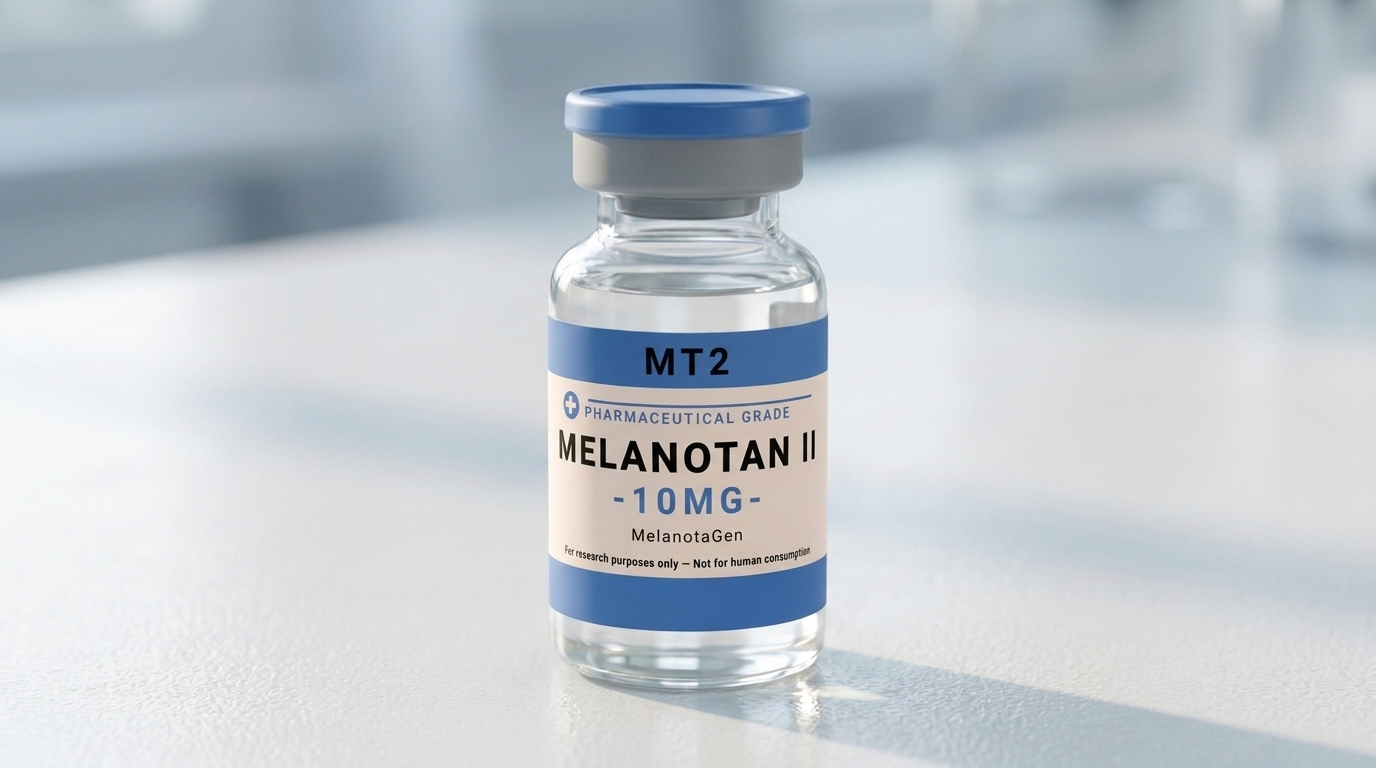
In peptide research, Melanotan II has gained attention for its interaction with the body’s natural pigmentation pathways. Originally developed to study mechanisms related to skin pigmentation, this synthetic peptide is now widely discussed in research circles exploring melanocortin receptor activity.
Its unique ability to influence multiple biological responses has made it a subject of continued scientific interest.
What Is Melanotan 2?
Melanotan 2 is a synthetic peptide designed to mimic the activity of naturally occurring melanocortin hormones.
It primarily interacts with melanocortin receptors in the body, which are involved in regulating pigmentation, among other physiological processes. Because of this, it is often studied in relation to how the body produces melanin.
How Melanotan 2 Works
Melanotan 2 functions by binding to melanocortin receptors, influencing several biological pathways.
Pigmentation Pathways
Research has explored its role in:
- Stimulating melanin production
- Influencing skin pigmentation responses
- Interacting with UV-related biological processes
Hormonal Signaling
Melanocortin receptors are also involved in broader signaling systems. Studies have examined:
- Interactions with appetite-related pathways
- Influence on certain neurological responses
- Effects on overall hormonal signaling networks
Multi-Receptor Activity
Melanotan 2 does not act on a single pathway. Instead, it engages multiple melanocortin receptors, which contributes to its wide-ranging effects observed in research environments.
Why Researchers Are Paying Attention
Melanotan 2 continues to be studied due to its unique interaction with melanocortin systems.
Pigmentation Research
One of the primary areas of focus includes:
- Understanding how melanin production is regulated
- Exploring responses to UV exposure
- Studying pigmentation-related biological mechanisms
Broad Biological Activity
Because melanocortin receptors influence more than just pigmentation, researchers are also interested in:
- Appetite and energy-related pathways
- Neurological signaling responses
- System-wide receptor interactions
Continued Scientific Interest
Melanotan 2 has been part of research discussions for years, and ongoing studies continue to explore its full range of biological interactions.
Melanotan 2 vs Other Peptides
Many peptides are highly specific in their function. Melanotan 2 stands out because of its interaction with a broader receptor family.
- Single-target peptides → narrow focus
- Hormone-specific peptides → targeted pathways
- Melanotan 2 → multi-receptor melanocortin interaction
This broader engagement is a key reason it remains relevant in peptide research.
Current Research Landscape
Melanotan 2 is not approved for general consumer use and remains within the research category.
Current studies are focused on:
- Understanding receptor-specific interactions
- Evaluating broader biological responses
- Exploring long-term effects in controlled settings
The Future of Melanocortin Peptides
Melanotan 2 represents a class of peptides that interact with complex receptor systems rather than isolated pathways.
This may contribute to:
- Deeper understanding of pigmentation biology
- Expanded research into melanocortin-related functions
- New approaches to studying multi-receptor activity
Final Thoughts
Melanotan II continues to be a notable compound in peptide research due to its interaction with melanocortin receptors and its role in pigmentation-related studies.
As research evolves, it remains an important subject for understanding how these receptor systems function within the body.
Important Note
This content is for informational and research purposes only. Melanotan 2 is not approved for human consumption or medical use. Always follow applicable regulations and guidelines when working with research compounds.