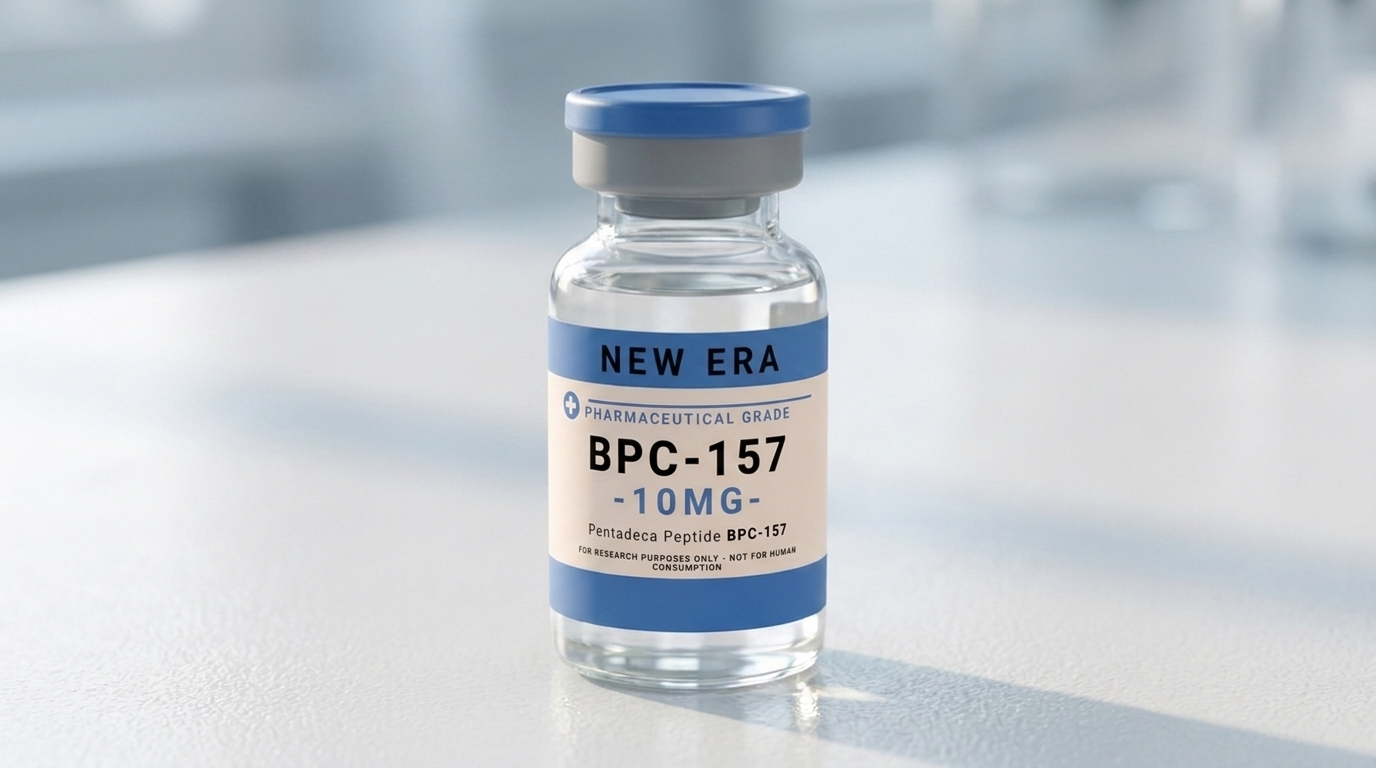
In the field of peptide research, BPC-157 has become one of the most widely discussed compounds due to its potential role in tissue-related and cellular processes. Originally derived from a naturally occurring protein found in the body, this peptide is being studied for how it interacts with various biological systems.
Its broad range of research applications has made it a major point of interest in studies focused on recovery, structural integrity, and cellular signaling.
What Is BPC-157?
BPC-157, short for “Body Protection Compound,” is a synthetic peptide based on a naturally occurring sequence found in gastric proteins.
It is known for its stability and is being explored in research settings for its interactions with multiple systems involved in tissue maintenance and cellular communication.
How BPC-157 Works
BPC-157 is being studied for how it influences several biological processes simultaneously.
Tissue Interaction
Research has explored its involvement in:
- Supporting structural tissue processes
- Influencing cellular repair signaling
- Interacting with connective tissue pathways
Cellular Communication
BPC-157 is associated in research with:
- Modulating signaling between cells
- Supporting balanced cellular responses
- Influencing gene expression related to maintenance processes
Vascular Response
Another key area of study includes:
- Interaction with blood vessel-related pathways
- Supporting circulation-related mechanisms
- Influencing vascular signaling processes
Together, these interactions contribute to its reputation as a multi-functional research peptide.
Why Researchers Are Paying Attention
BPC-157 continues to attract interest due to its wide range of studied biological interactions.
Recovery and Structural Research
One of the main areas of focus includes:
- Studying tissue-related responses
- Exploring structural integrity processes
- Understanding how the body maintains and adapts at a cellular level
System-Wide Interaction
Unlike highly targeted peptides, BPC-157 is being studied for its broader systemic effects, making it relevant across multiple research areas.
Consistent Research Presence
BPC-157 has been examined in numerous studies over time, contributing to a growing body of research and continued scientific attention.
BPC-157 vs Other Peptides
Many peptides are designed for specific pathways. BPC-157 stands out due to its wider range of interactions.
- Targeted peptides → single-function focus
- Hormone-based peptides → endocrine pathways
- BPC-157 → multi-system interaction
This versatility is a key reason it remains one of the most recognized peptides in research discussions.
Current Research Landscape
BPC-157 is not approved for general consumer use and remains within the research category.
Ongoing studies are focused on:
- Understanding its full biological impact
- Exploring long-term research outcomes
- Evaluating how it interacts with different systems
The Future of Multi-Functional Peptides
BPC-157 represents a category of peptides that interact with multiple biological systems rather than a single target.
This may contribute to:
- More advanced research into tissue-related processes
- Greater understanding of cellular communication
- New directions in peptide-based studies
Final Thoughts
BPC-157 continues to stand out as a widely studied peptide due to its broad range of biological interactions and ongoing research interest.
As more data becomes available, it remains a key subject in the exploration of multi-system peptide activity.
Important Note
This content is for informational and research purposes only. BPC-157 is not approved for human consumption or medical use. Always follow applicable regulations and guidelines when working with research compounds.