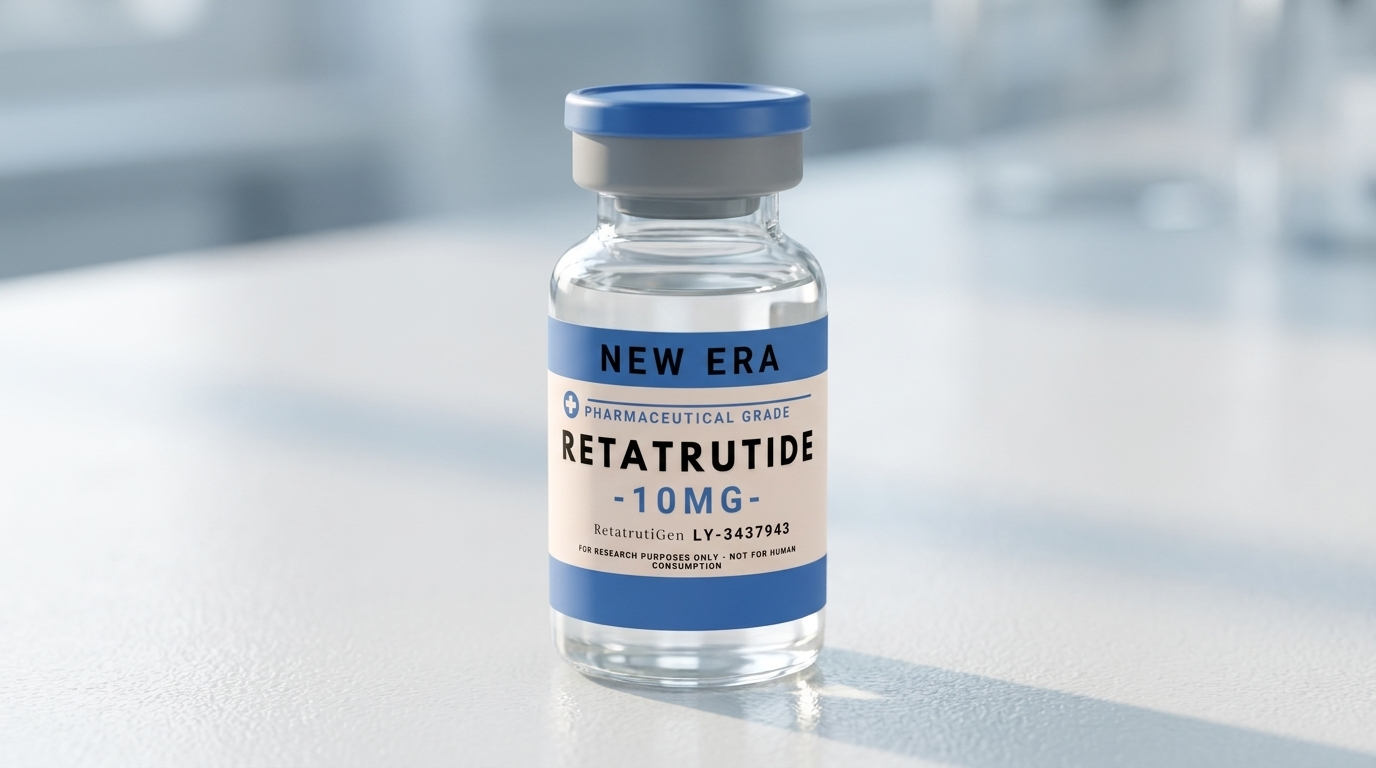
In the rapidly evolving world of peptide research, few compounds have generated as much attention as Retatrutide. Known for its unique multi-receptor activity, this next-generation peptide is being studied for its potential role in metabolism, weight regulation, and energy balance.
While still classified strictly for research purposes, Retatrutide is already being explored in scientific settings for its innovative mechanism and wide-ranging metabolic interactions.
What Is Retatrutide?
Retatrutide is a triple agonist peptide, meaning it interacts with three key hormone receptors involved in metabolic function:
- GLP-1 (glucagon-like peptide-1)
- GIP (glucose-dependent insulinotropic polypeptide)
- Glucagon receptors
This multi-pathway design sets it apart from earlier compounds that typically target only one or two systems.
How Retatrutide Works
Unlike single-pathway peptides, Retatrutide is designed to influence multiple biological processes simultaneously.
Appetite Regulation (GLP-1 Activity)
GLP-1 receptor activation is associated in research with:
- Reduced appetite signaling
- Slower gastric emptying
- Increased satiety
Nutrient Utilization (GIP Activity)
GIP plays a role in:
- Supporting insulin-related pathways
- Enhancing how nutrients are processed
Energy Expenditure (Glucagon Activity)
Glucagon receptor activation is being studied for:
- Increased energy expenditure
- Support for fat metabolism processes
Together, these pathways create a multi-angle approach to metabolic regulation, which is why Retatrutide has become a major focus in current research.
Why Researchers Are Paying Attention
Early-stage studies have highlighted several areas of interest:
Metabolic Efficiency
Retatrutide’s triple-action mechanism is being explored for its potential influence on how the body uses and stores energy.
Weight Regulation Research
Clinical investigations are examining how multi-receptor agonists may impact body composition over time.
Hormonal Synergy
By targeting GLP-1, GIP, and glucagon receptors simultaneously, Retatrutide represents a more integrated approach to metabolic signaling compared to earlier compounds.
Retatrutide vs Other Peptides
Many well-known peptides focus on one or two pathways. Retatrutide stands out because it combines three.
- GLP-1 agonists → appetite-focused
- Dual agonists (GLP-1 + GIP) → appetite + nutrient processing
- Retatrutide → multi-system metabolic approach
This broader targeting is a key reason it’s being considered part of the next generation of metabolic research peptides.
Current Research Landscape
Retatrutide is still under investigation and has not been approved for general consumer use. Most available data comes from controlled research environments focused on metabolic outcomes.
Researchers are continuing to explore:
- Long-term effects
- Optimal research protocols
- Broader metabolic implications
The Future of Multi-Pathway Peptides
Retatrutide represents a shift in how metabolic research is approached — moving beyond single-target compounds toward multi-system interaction.
This direction may lead to:
- More advanced peptide development
- Deeper understanding of hormonal interplay
- New strategies in metabolic research
Final Thoughts
Retatrutide is gaining significant attention due to its unique triple-receptor mechanism and the broader approach it represents in peptide science.
As more research emerges, it may play an important role in shaping the next wave of innovation in metabolic studies.
Important Note
This content is for informational and research purposes only. Retatrutide is not approved for human consumption or medical use. Always follow applicable regulations and guidelines when working with research compounds.
Recommended products
-
RetatrutiGen (Retatrutide) – 10mgRetatrutide
Original price was: $445.00.$335.00Current price is: $335.00.